Being trying to understand the difference between on-page and off-page SEO means here is the simple version:
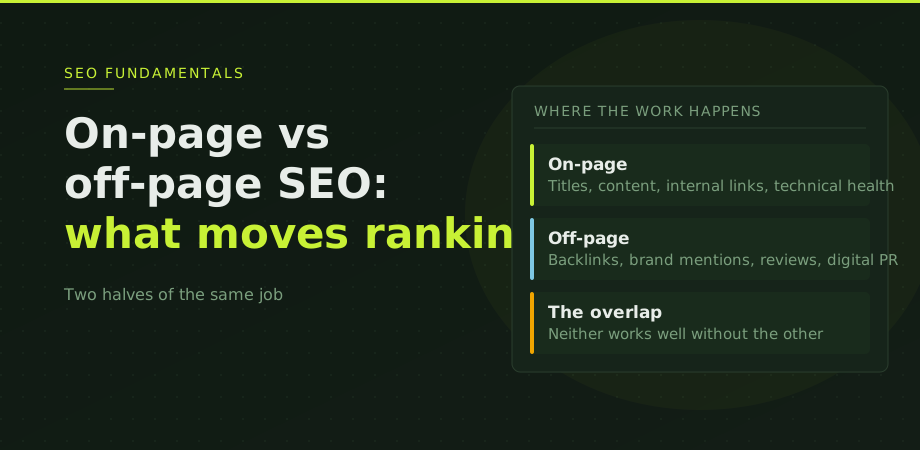
On-page SEO is the work you do on your own site. Off-page SEO is the trust your site earns from other places, mainly through links, mentions, reviews, and reputation.
Both matter. But they do not matter in the same way, and they should not be worked on in the same order. If your site is weak, confusing, or technically messy, off-page work will not fix the real problem. Start with what you control.
Have not read it yet? start with what SEO is and why it still matters. That article explains the bigger picture. This one is about one of the most common questions inside that picture.
What on-page SEO includes
On-page SEO covers the things that live on your own website. This includes the technical setup, the content itself, and how clearly each page matches what someone is searching for.
That usually includes:
- title tags and meta descriptions
- headings and page structure
- page copy and search intent match
- internal linking
- image optimization and alt text
- structured data
- site speed and mobile usability
- crawlability, indexation, canonicals, and other technical basics
In plain English, on-page SEO is about making it easy for both people and search engines to understand what a page is about and why it deserves to rank.

This is also where a lot of businesses leave easy wins on the table. Bad titles, thin pages, weak internal links, slow templates, and pages that do not match search intent are still everywhere.
Anyone wanting the hands-on version of this work this is the kind of thing more on that in our SEO service.
And if you want a practical way to review your own site before spending money, use this SEO audit checklist. It covers the main technical, content, and structure issues in plain English.
What off-page SEO includes
Off-page SEO is everything that happens outside your own site that helps Google trust you more.
The biggest part is backlinks, but it is not only backlinks.
- links from other relevant websites
- digital PR and brand mentions
- reviews and ratings
- citations for local businesses
- general brand signals that show your business is real and trusted
Think of it this way: on-page SEO tells Google what your page is about. Off-page SEO helps convince Google that your page deserves attention.
This is why links still matter. Google does not want to rank pages only because they say they are useful. It also wants signals from the rest of the web.
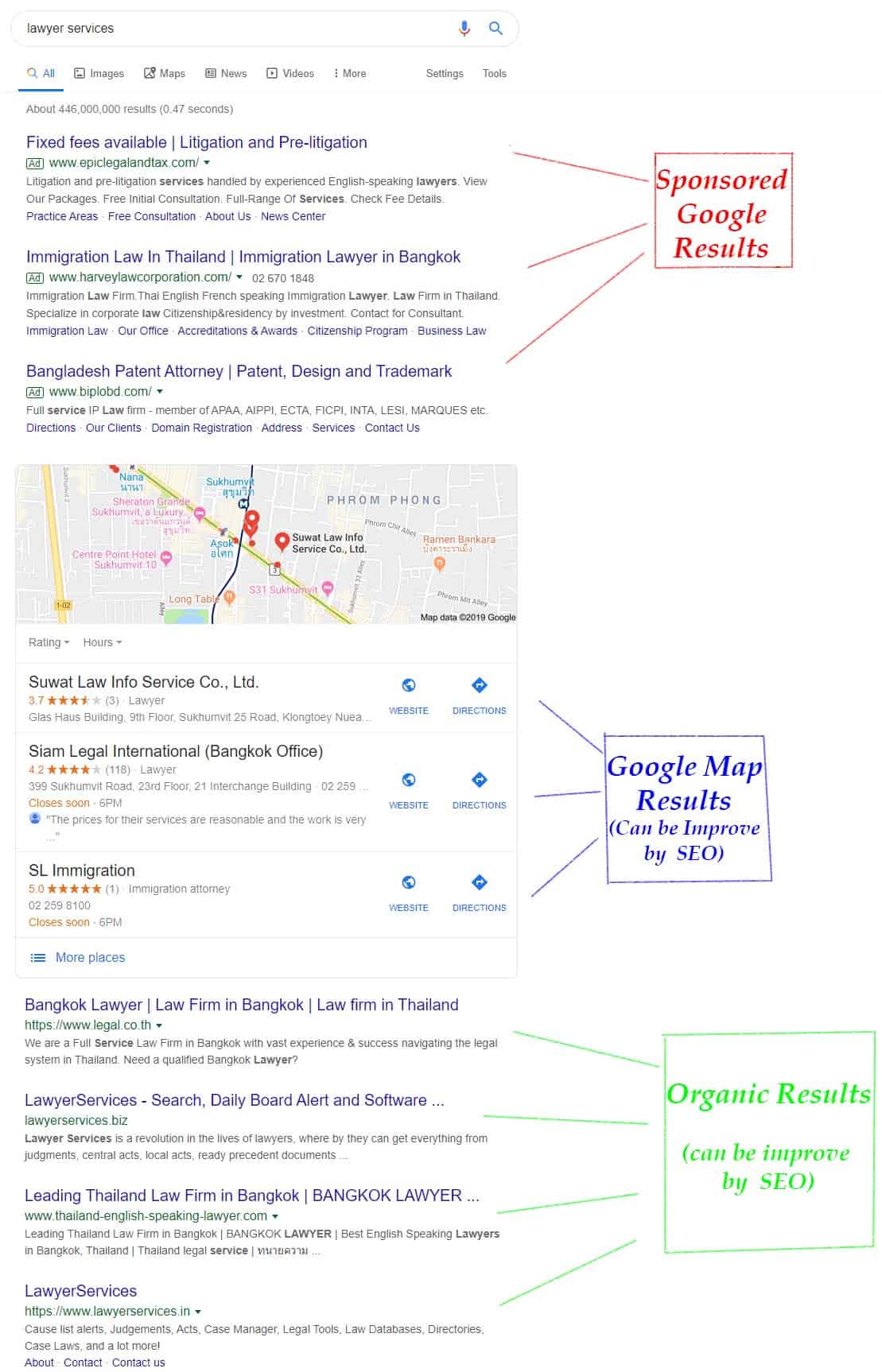
For businesses that depend on local visibility, off-page work also includes citations, reviews, and local trust signals. That is a big part of why Local SEO is its own service.
Why on-page comes first
This is the part people often get backwards.
Where your site is hard to crawl, your pages are weak, and your content does not match the search intent, then sending backlinks to it is like pouring water into a leaky bucket.
That is why the usual order should be:
- fix the technical and on-page problems first
- improve the most important commercial pages
- tighten internal linking
- then invest more heavily in off-page work
This order gives you a much better return on effort. A strong page can benefit from links. A weak page often wastes them.
What good balance looks like
A good SEO strategy does not choose one side and ignore the other.
A healthy site usually looks like this:
- commercial pages are clear, useful, and technically clean
- important pages link to each other in a logical way
- the site loads well and works properly on mobile
- the business earns real links and mentions over time
- reviews, citations, and trust signals are not neglected
Running an online store, this balance matters even more because category pages, product pages, filters, and technical SEO all affect how much value your off-page work can actually produce. That is why e-commerce SEO needs a more structured approach than a normal content site.
Common mistakes businesses make
- paying for links before fixing weak pages
- ignoring internal linking
- publishing content that does not match the search intent
- treating technical SEO like an optional extra
- thinking backlinks alone can fix a bad site
Another common mistake is splitting SEO work into silos that never talk to each other. The page team does one thing, the outreach team does another, and the result is wasted effort. On-page and off-page need to support the same priorities.
Common questions about on-page and off-page SEO
Is on-page SEO more important than off-page SEO?
Usually yes at the start, because it is fully under your control. It makes more sense to fix your pages first before spending time or money trying to earn links.
Can backlinks fix weak on-page SEO?
Not reliably. Strong backlinks can help, but they do not solve poor content, weak page structure, slow pages, or bad search intent match.
What is included in on-page SEO?
It includes content, headings, titles, internal links, site speed, technical setup, structured data, and other things you control on your own site.
What is included in off-page SEO?
It includes backlinks, digital PR, reviews, citations, and other authority signals that come from outside your site.
Simple rule: fix what you control first, then go harder on the signals you need to earn.
Online store? Our e-commerce SEO service covers on-page and off-page across product, category, and content pages. Service business or content site? Our broader SEO audit consultant are the right starting point. For either, a discovery call sketches the right scope.