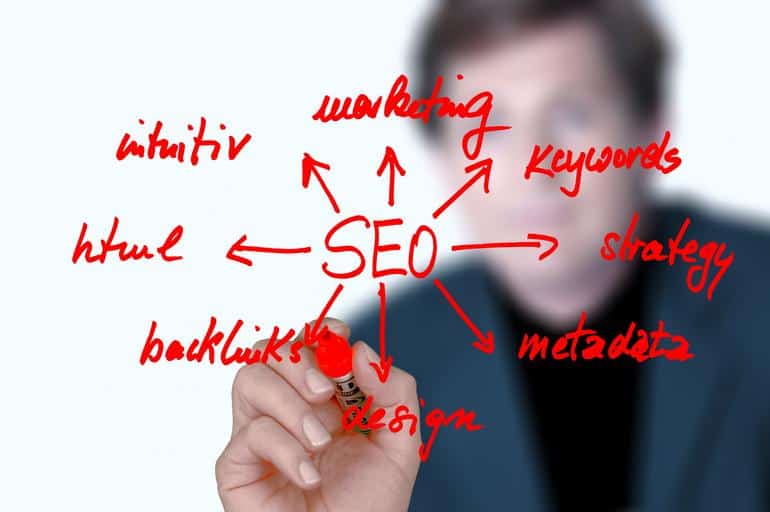
SEO stands for search engine optimization. In simple terms, it means improving your website so search engines can understand it, trust it, and show it to the right people.
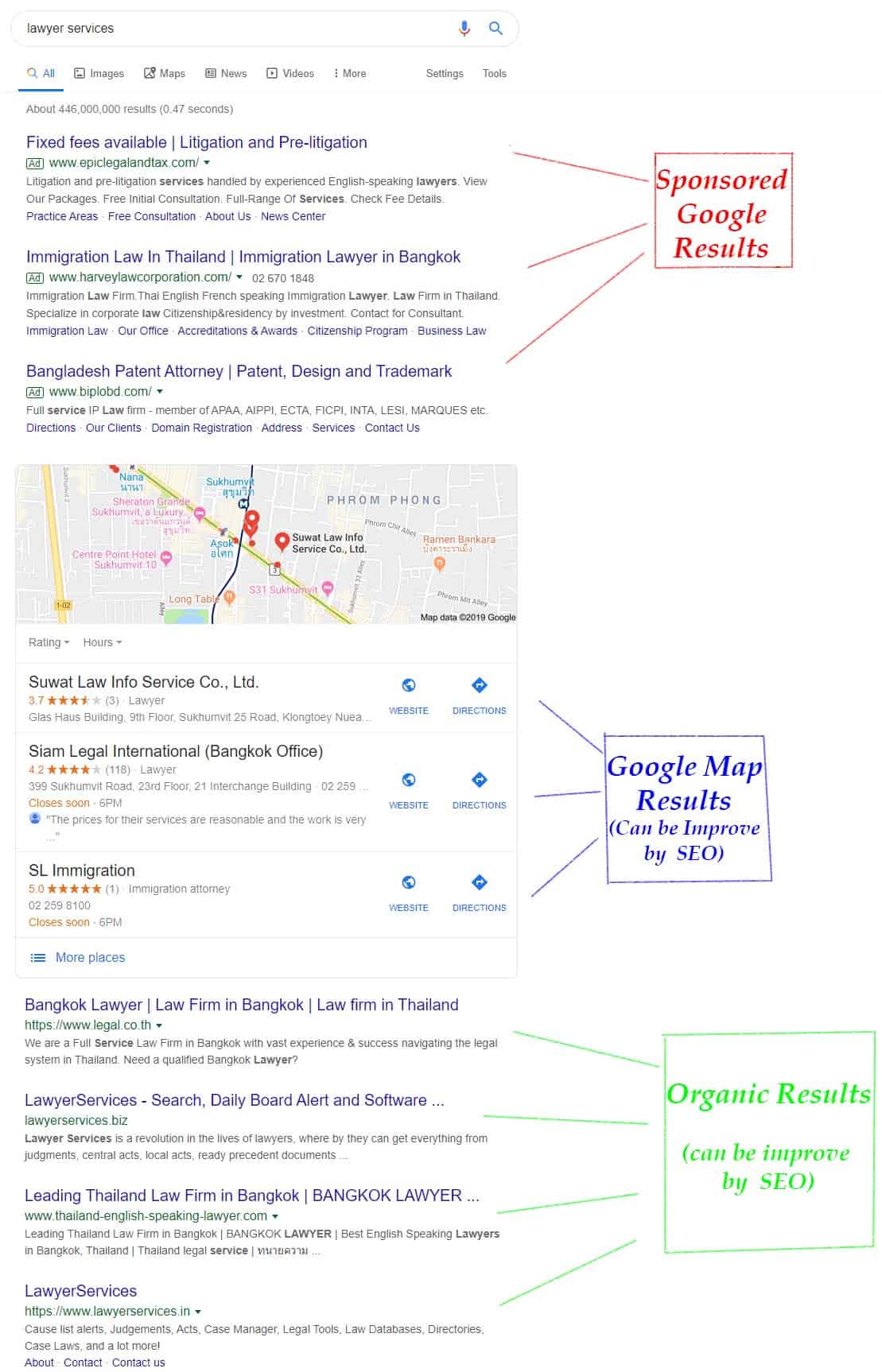
If someone searches for a product, a service, or a question related to your business, SEO helps your pages appear in those results. That is the job. Not tricks. Not shortcuts. Just making your site a better answer.
What SEO actually does
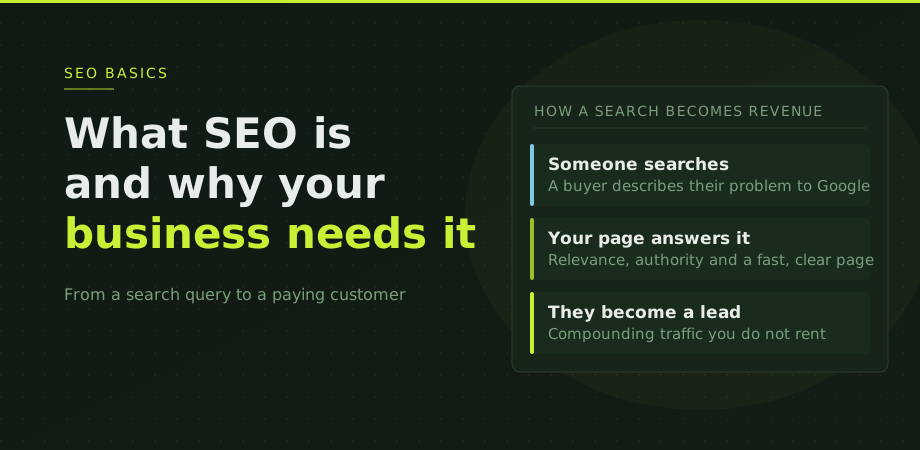
SEO helps you show up when people are already looking for what you offer. That is why it still matters so much. You are not interrupting someone. You are meeting them at the moment they have intent.
A good SEO setup usually improves four things at the same time:
- Visibility. More of your important pages can appear in search results.
- Quality of traffic. The people landing on your site are more likely to actually need what you sell.
- User experience. Clearer pages, better structure, faster load times, and better internal linking help real visitors too.
- Long-term growth. Strong pages can keep bringing traffic long after they are published.
How search engines work
At a basic level, search engines do three things: they crawl pages, index them, and rank them.
- Crawl. Search engines discover your pages by following links and reading your site.
- Index. They store what those pages are about.
- Rank. When someone searches, they decide which pages are the best fit for that query.
That ranking decision is based on a lot of signals, but most of them fall into a few simple buckets:
- Relevance. Does the page actually answer the search?
- Trust. Does the site look credible and useful?
- Authority. Do other good websites link to it or mention it?
- Experience. Is the page fast, usable, and easy to navigate?
What good SEO includes
Good SEO is not one task. It is a mix of technical work, content work, and authority building.
- Technical SEO. Making sure pages can be crawled, indexed, and loaded properly.
- On-page SEO. Titles, headings, copy, internal links, image alt text, and page structure.
- Content quality. Writing pages that actually help the person searching.
- Off-page SEO. Earning links, mentions, and other trust signals from outside your own website.
If one of those parts is weak, the whole system gets weaker. A fast site with weak content will struggle. Great content on a broken site will also struggle.
Why SEO still matters in 2026
A lot has changed in search, but the main reason businesses invest in SEO has not changed at all: people still use search engines when they need answers, products, services, comparisons, and local businesses.
Paid ads can work fast, but traffic stops when the budget stops. Good SEO usually takes longer, but it can keep sending traffic month after month. That is why many businesses end up seeing SEO as one of their strongest long-term channels.
It is also one of the best ways to build trust. When your business appears naturally for the right searches, it usually feels more credible than showing up only through ads.
What SEO does not do
SEO is not instant. It is not guaranteed. And it is not just publishing a few blog posts and waiting for traffic.
It also does not fix a weak offer, a confusing website, or a business with no search demand. SEO works best when there is already a real match between what people search for and what your business can deliver.
A simple rule: if your ideal customer is already searching for what you do, SEO is worth taking seriously.
When your business should invest in SEO
SEO is usually a smart investment if:
- people search for your services or products before they buy
- you want steady long-term traffic, not just short bursts
- your site already has some value but is underperforming
- you are tired of relying too heavily on paid ads
Where you need leads next week, PPC may be the faster answer. But if you want stronger visibility over time, SEO should usually be part of the plan. The best setups often use both, each for a different job. You can see that trade-off more clearly in SEO vs PPC: which is right for your business?.
Want something more practical before you decide? start with our SEO audit checklist. It will show you the first things worth checking on your own site.
Want a straight answer on whether SEO is worth it for your site? get in touch. We will tell you honestly where it makes sense, and where it does not.