When you are trying to decide between SEO and PPC, start here: this is not a rivalry. It is a business decision about speed, budget, and how you want your traffic to work.
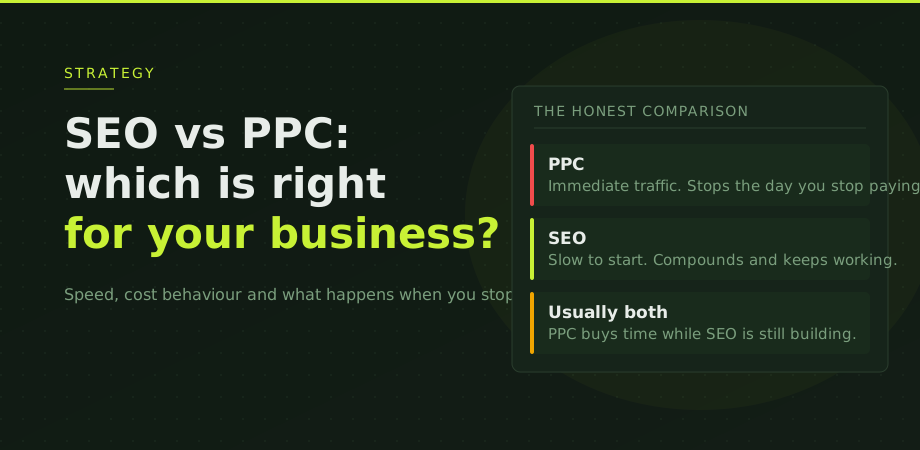
SEO is usually the better choice when you want long-term growth and lower cost per click over time. PPC is usually the better choice when you need leads now, want to test offers fast, or need traffic while your SEO work is still building.
When you are still new to the topic, it helps to first read what SEO is and why it still matters. That gives the base layer. This article is about the decision between the two channels.
What SEO actually gives you
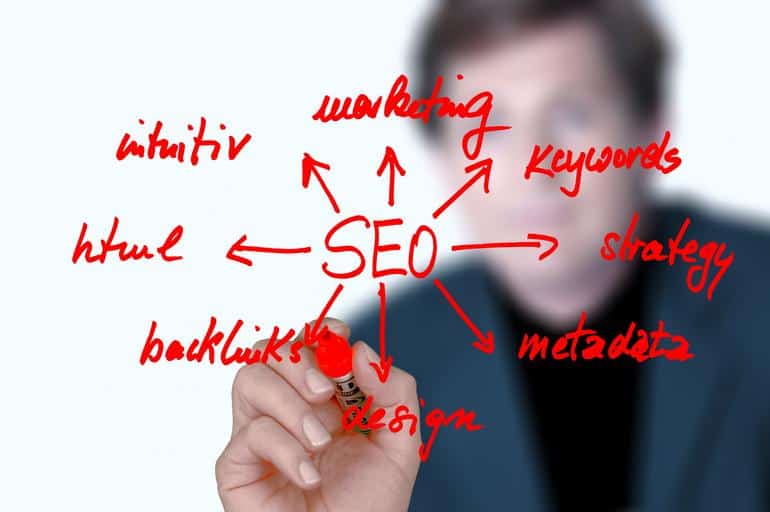
SEO is the work of earning traffic from the organic search results. You do that by improving your site structure, content, page quality, internal linking, technical health, and authority over time.
The big upside is simple: once you rank well, you can keep getting clicks without paying for every visit. That is why good SEO often becomes the cheapest traffic channel in the long run.
The downside is just as simple: it takes time. In most markets, SEO does not fix this month’s revenue problem. It is an investment in future traffic, future leads, and future sales.

What PPC actually gives you
PPC lets you buy visibility right away. You launch campaigns, target keywords or audiences, send people to a landing page, and pay when someone clicks.
The biggest advantage is speed. If you need traffic this week, PPC can do that. It is also one of the fastest ways to test demand, offers, landing pages, and new markets without waiting months for rankings.
The weakness is that the meter never stops. The moment you pause spend, the traffic drops. That makes PPC great for fast results, but weaker than SEO as a long-term cost-control channel.
When SEO is the better choice
SEO usually makes more sense when:
- your customers research before they buy
- you want lower acquisition cost over time
- you sell in a market with clear search demand
- you can commit to a longer timeline
- you want traffic that keeps working after the initial push
This is especially true for B2B, e-commerce, and businesses with strong buying-intent searches. If one strong ranking could keep sending qualified traffic every month, SEO deserves real attention.
For online stores, SEO can be even more valuable because category and product pages can keep attracting buyers long after the original work is done. That is why e-commerce SEO needs its own strategy.
When PPC is the better choice
PPC usually makes more sense when:
- you need leads or sales quickly
- you are launching something new
- you want to test messages, keywords, or landing pages
- you have a short-term promotion
- your SEO is not ready yet, but the business still needs pipeline
PPC is also useful when you want clean data. You can see which keywords bring clicks, which searches convert, and which pages actually work. That can save a lot of wasted effort later.
When using both is the smartest move
For many businesses, the right answer is both.
PPC can bring in traffic and data right away. SEO can build the long-term asset underneath it. Over time, each channel makes the other smarter.
- PPC shows you which keywords and offers convert.
- SEO turns those lessons into stronger pages and long-term rankings.
- Strong SEO landing pages often improve PPC performance too.
This is usually the best setup when you can fund immediate demand capture and long-term growth at the same time.
How to decide with a limited budget
Where your budget is small, do not try to do everything at once.
A simple rule:
- Choose PPC if you need results now.
- Choose SEO if you can invest for the next 6 to 12 months.
- Choose both only if you can fund both properly.
Trying to run weak PPC and weak SEO at the same time usually gives you weak results in both.
Common mistakes people make
- expecting SEO to work like ads
- expecting ads to keep working without ongoing spend
- judging SEO too early
- running PPC without strong landing pages or tracking
- treating SEO and PPC like separate silos instead of connected tools
Where your business also depends on local demand, this decision can get even more specific. Local businesses often need a mix of Local SEO and targeted paid search depending on how competitive the area is.
Common questions about SEO vs PPC
Is SEO better than PPC?
Not always. SEO is usually better for long-term growth. PPC is usually better for speed. The better channel depends on what you need right now.
Can SEO and PPC work together?
Yes. In many cases, they should. PPC can give you fast traffic and fast data, while SEO builds the long-term asset underneath it.
What if my budget is small?
Pick the one that matches your timeline. If you need leads now, start with PPC. If you can invest patiently, start with SEO. If the budget is too small, doing both usually spreads it too thin.
How long does SEO take compared with PPC?
PPC can start sending traffic as soon as campaigns go live. SEO usually takes months to build traction, but the traffic can keep coming long after the first investment.
The simple version: PPC buys speed. SEO builds an asset. Most strong businesses need both at the right time and in the right order.
A straight answer based on your own business, budget, and goals is what a discovery call is for. Where the right answer is clearly SEO, our SEO services apply. Where it is clearly paid, our PPC management service does. Most growing businesses end up running both, in different proportions over time.
If the decision comes down to budget, compare the real figures rather than the principle: monthly ad spend against published SEO pricing, over the same time horizon.