Let us start with the mistake, because it is so common. A product becomes unavailable, someone deletes the page, and the URL now returns a 404 error. Every link pointing to it is wasted. Every ranking it held is gone. Anyone who clicks an old result hits a dead end.
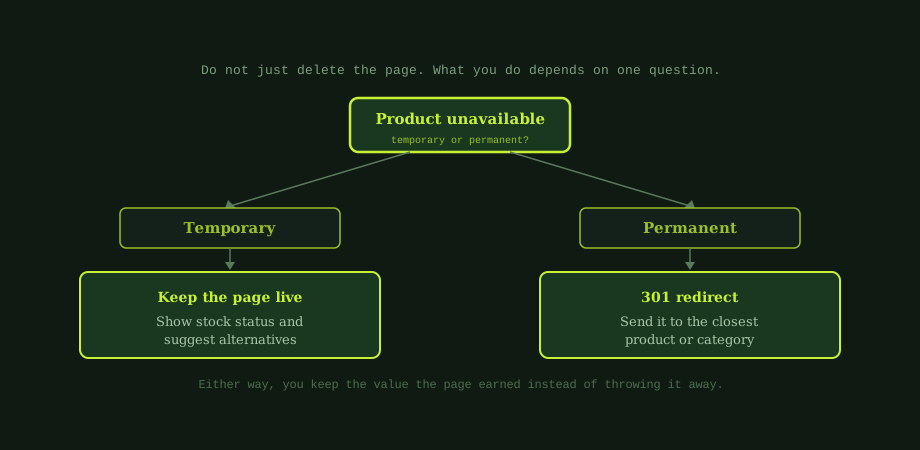
None of that is necessary. A product page is an asset you built up over time. When the product goes, you want to keep that value, not bin it. The whole decision comes down to one question: is this temporary or permanent?
The one question that decides everything
Before you touch the page, answer this: will this product come back?
- Temporary. It is out of stock now but returning. Keep the page live.
- Permanent. It is discontinued for good. Redirect the page.
That is the core of it. Everything else is detail. Let us take each path.
Temporary: keep the page live
If the product is coming back, the page should stay exactly where it is, holding its ranking, ready for when stock returns. Deleting or redirecting it would mean rebuilding that ranking from scratch later. Instead, make the page useful while you wait:
- Show honest stock status. Mark it clearly as out of stock or back soon, so visitors are not misled.
- Suggest alternatives. Link to similar in-stock products so the visit is not wasted.
- Capture interest. Offer a way to be notified when it returns, turning a dead end into a lead.
- Keep the content and reviews. They hold the page's value and help it bounce back.
A well-handled out-of-stock page keeps its rankings and keeps serving visitors. This is part of treating product pages as long-term assets, which we cover in product page SEO.
Permanent: redirect, do not delete
If the product is gone for good, you still should not delete the page. A 301 redirect sends visitors and search engines to a useful destination and passes most of the page's ranking value along. Where you point it depends on what you have:
- A direct replacement or close alternative? Redirect to that product. The visitor lands on something they can actually buy.
- No single alternative, but a relevant category? Redirect to the parent category page, so they can browse similar options.
- Truly nothing relevant? Only then let the page return a 410 gone status, telling search engines it is intentionally removed.
Redirects are the key tool here, and they follow the same rules as any URL change, more in URL structure for SEO. Redirect to the most useful place, not just the home page, which feels like a dead end to a visitor expecting a product.
The full picture
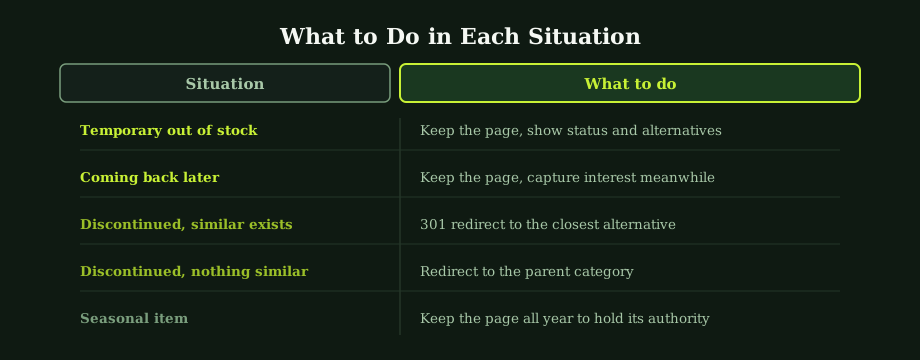
A few situations deserve a special mention.
Seasonal products
If a product returns every year, like seasonal stock, treat it as temporary even during the long off-season. Keep the page live all year so it holds its authority and is ready to rank the moment demand returns. Rebuilding a seasonal page each year wastes the ranking it had.
Products that go in and out often
For items that frequently sell out and restock, keeping the page live with clear status is the only sensible approach. Redirecting and un-redirecting repeatedly would be chaos. Hold the page, show the status, offer alternatives.
Many products gone at once
Discontinuing a whole range? Redirect each page to its best match or to the category. Avoid sending dozens of dead products all to the home page, which creates a poor experience and weak signals. This is also a good moment to review your wider structure, including any faceted navigation that may have created extra URLs for those products.
Why this matters
Product pages are often a shop's hardest-working SEO assets. They rank for specific, high-intent searches and earn links over time. Handling unavailability badly throws that away and frustrates customers. Handling it well preserves your rankings, keeps visitors moving toward a purchase, and protects the investment you made in those pages. It is also a core part of e-commerce SEO fundamentals.
The rule to remember is simple: never just delete. Keep temporary pages live and useful, and redirect permanent ones to the best available destination.
Online shops with a changing catalogue need a clear, repeatable process for handling unavailable products, not ad-hoc decisions per page. Our ecommerce SEO agency in Thailand sets it up. Our SEO services in Bangkok can audit how your site currently handles out-of-stock and discontinued items and fix any value you are losing.
Common questions
Should I delete out-of-stock product pages?
Usually not. Deleting a product page throws away the rankings, links, and traffic it has built, and it creates a dead 404 page for anyone who follows an old link. The right action depends on whether the situation is temporary or permanent. If the product is only temporarily out of stock, keep the page live, show its stock status clearly, and point visitors to alternatives or let them register interest. If it is gone permanently, redirect the page rather than delete it. Deleting should be a last resort, reserved for cases where the page has no value and nothing relevant to redirect to. In almost every case, keeping or redirecting beats deleting.
What should I do with a temporarily out-of-stock product?
Keep the page live and working. The product is coming back, so the page should keep its rankings ready for when it does. Show the stock status honestly, such as out of stock or back soon, so visitors are not misled. Then make the page useful in the meantime: suggest similar in-stock products, offer a way to be notified when it returns, and keep the content and reviews in place. Do not redirect a temporarily unavailable product, because you would lose the page just before you need it again. The goal is to hold the ranking and capture interest until the product is back.
How do I handle discontinued products for SEO?
For a permanently discontinued product, use a 301 redirect rather than deleting the page. If there is a direct replacement or a close alternative, redirect the old page to that product, so visitors and search engines land somewhere genuinely useful and most of the ranking value transfers. If there is no good single alternative, redirect to the most relevant category page instead. Only if there is truly nothing relevant to redirect to should you let the page return a 410 gone status. The principle is to preserve the value the page earned by sending it to the most useful remaining destination, not to discard it with a delete.
Does out-of-stock hurt rankings?
A temporary out-of-stock status does not automatically tank your rankings, especially if you handle the page well. Search engines understand that stock fluctuates. Problems arise when sites react badly: deleting pages, returning errors, or leaving misleading information. If you keep the page live, show honest stock status, and offer alternatives, you protect both the ranking and the user experience. Where it can hurt is if a product is out of stock for a very long time with a poor page experience, since user signals may weaken. Handling it properly, by keeping the page useful and honest, is what keeps any ranking impact small and temporary.